浙侨英频 ?Space for PBOC to cut interest rates narrowed
发布时间:2022-04-14
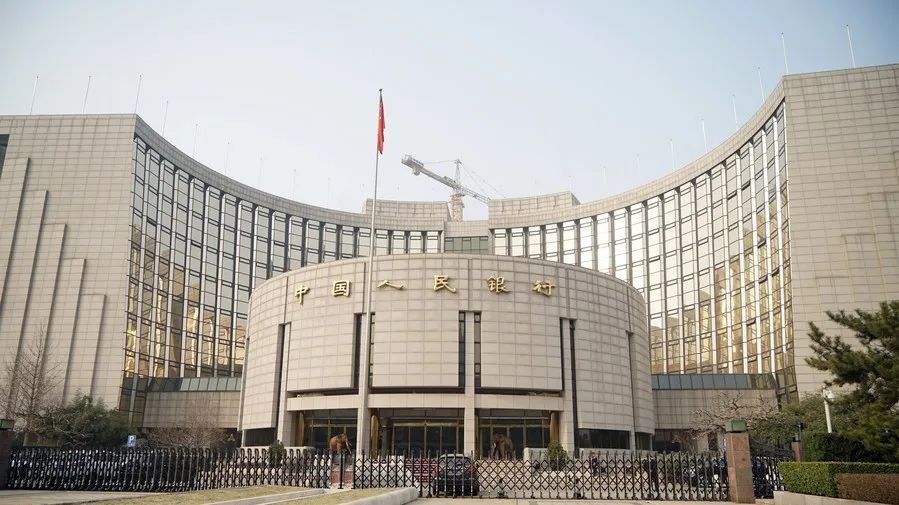
Photo shows the headquarters of the People's Bank of China in Beijing. [PhotoXinhua]
Yields on China's 10-year bonds fall below those of US Treasuries for 1st time in 12 years
Surging bond yields in the United States have narrowed the space for China to cut interest rates, but reductions in the reserve requirement ratio and targeted liquidity support will remain sensible monetary tools to bolster the Chinese economy, market experts said on Tuesday.
Their comments came after yields on China's 10-year government bonds fell below US Treasury yields for the first time in 12 years on Monday, mainly due to expectations of aggressive tightening by the US Federal Reserve and moderate easing by the People's Bank of China, the nation's central bank.
With 10-year government bond yields seen as a benchmark of asset returns, the inversion in yield spread sparked concerns that China's financial assets could lose some appeal compared with their US counterparts, which in turn could lead to rising capital outflow pressure on China, experts said.
Though interest rate cuts could help alleviate domestic economic downside risks, such moves could intensify capital outflow pressure and weigh on the Chinese yuan by further bringing down Chinese bond yields, they said.
Yang Weiyong, an associate professor of economics at the University of International Business and Economics in Beijing, said the harm caused by cutting interest rates now could outweigh the benefits to the economy.
The move may not only magnify capital outflows but worsen the economic structure by stimulating the property market and sectors with low efficiency, he said.
Instead, Yang said it is sensible for the central bank to further cut the RRR, which will inject more liquidity into the market and facilitate the financing of the real economy.
RRR refers to the proportion of money that lenders must hold as reserves. China last cut the RRR in December by 0.5 percentage point, sending the weighted average RRR to 8.4 percent.
On Monday, 10-year yields of US Treasury bonds rose up to 2.784 percent, while yields of the most-traded Chinese 10-year government bonds stood at 2.75 percent, marking the first inversion in China-US 10-year government bonds since 2010, Reuters reported.
Shao Yu, chief economist at Shanghai-based Orient Securities, said the Fed's aggressive pace of tightening, which could send US interest rates higher by about 1.5 percentage points this year, may sustain the rise in US bond yields and magnify the risks from the China-US bond yield inversion.
Structural support may therefore prevail in China's monetary moves. In terms of tools that deal with aggregate monetary supply, RRR reductions will be preferable to interest rate cuts, as the latter could directly intensify outflow risks, Shao said.
With supportive measures bolstering credit growth, China's new yuan-denominated loans totaled 8.34 trillion yuan ($1.31 trillion) in the first quarter of 2022, up 663.6 billion yuan compared with the same period of last year, the central bank said on Monday.
Official data also pointed to a rise in capital outflows from China's bond market amid the divergence in China-US monetary policy. Overseas institutions held 3.88 trillion yuan worth of China's interbank bonds by the end of March, down from 3.99 trillion yuan a month earlier, according to the central bank's Shanghai Head Office.
Market analysts said the pressures of capital outflow and yuan depreciation will remain manageable, given that China's real interest rates, which subtract inflation and dictate real investment returns, are still performing at a higher level than counterparts in the US because of mild inflation in China.
Robin Xing, chief China economist at Morgan Stanley, said he expects China to see rising but manageable capital outflow pressure as the country maintains a decent real rate differential with the US.
Resilient export growth thanks to supply chain stability is also expected to underpin the yuan, which may only slightly weaken to 6.40 to the dollar by the end of the year, Xing said.
The capital outflow pressure facing the Chinese economy is expected to remain controllable as many long-term investors could still scale up their strategic allocation in Chinese financial assets, which will buffer the outflow of short-term speculative money, said Wang Qian, Vanguard's Asia-Pacific chief economist.
【背景阅读】
中美10年期国债利差倒挂 专家预计外资不会大规模流出
4月11日,美国10年期国债收益率上行5.5个基点至2.76%,中国10年期国债收益率持平为2.75%,中美10年期国债利差自2010年以来首次出现倒挂,引发市场高度关注。
业内人士认为,中美10年期国债利差倒挂的直接原因是美债利率在货币政策加速收紧预期催化下再次冲高,根本原因在于疫后中美两国经济复苏节奏与货币政策出现分化。
“疫情暴发以来,中美两国不管是经济修复节奏,还是通胀走势都存在较大差异,并导致两国货币政策分化。在这一背景下,中美利差不断收窄,甚至出现倒挂,在一定程度上来说是趋势使然。”东方金诚研究发展部分析师白雪认为。
中银证券全球首席经济学家管涛表示,当前美国正遭遇40年一遇的高通胀,而国内通胀水平比较温和。美国货币政策的重心在“防胀”,国内货币政策正在围绕“稳增长”发力,这是中美国债收益率利差进一步收缩的主因。
在此之前,其他期限中美利差已出现倒挂。3月25日,美国3年期国债收益率高出中国同期限国债收益率8个基点,这是自2009年6月以来首次倒挂;4月1日,2年期国债利差倒挂16个基点。
中美国债利差倒挂对我国金融市场将产生哪些影响?业内人士认为,当前人民币汇率较为坚挺,中美国债收益率暂时倒挂不会引起资本外流和汇率风险,也难以对我国货币政策形成明显掣肘。
“中美国债利差倒挂带来的资本外流压力可控。”白雪表示,近期债市、股市资金出现净流出,很大程度上是因为地缘政治紧张局势加剧,国际资本普遍流出新兴市场,不必从中美利差收窄角度过度解读。这意味着目前证券投资项下的跨境资金波动仍在正常、可控范围之内,不需要政策面作出过度反应。考虑到我国经济仍将保持中高速增长,金融市场将保持进一步对外开放,以及人民币资产展现出的一定避险属性,在经历短期波动后,未来海外证券投资持续流入仍是大趋势。
白雪认为,中美国债利差收窄带来的汇率贬值压力有限。数据显示,2015年汇改以来,中美利差变化与人民币兑美元汇价波动之间的相关性很低,相关系数仅为0.1,远低于统计意义上的显著水平。这意味着人民币汇率受到多重因素驱动,我国进出口态势、中美关系等更具影响力。退一步说,即便中美国债利差倒挂会对人民币形成阶段性贬值压力,这一压力也相对有限。监管部门有充分的政策工具进行调控,包括重启逆周期调节因子、强化跨境资金流动宏观审慎监管等措施。
“总体来看,目前出现倒挂是经济周期和货币政策周期错位所致,预计我国货币政策仍将以我为主,根据国内经济形势进行调整。考虑到目前股市、债市投资者结构中外资占比较低,以及剔除通胀后的实际收益率因素,预计不会发生大规模资本外流。”中国邮政储蓄银行研究员娄飞鹏称。
近期,受外部环境变化影响,外资投资境内股票和债券波动有所加大。对此,国家外汇管理局有关部门负责人回应称,这是复杂国际经济金融形势下的正常表现。证券类资产具有流动性较强的特点,在个别时点出现调整并不能反映总体趋势。跨境证券投资短期波动,不代表外资投资中国资本市场的长期趋势逆转。
最新数据显示,截至2022年2月末,外资持有中国境内债券和股票市值合计1.25万亿美元。上述负责人表示,与存量相比,外资减持境内股、债市场规模相对有限,对人民币汇率及跨境资本流动形势的影响总体可控。
“从未来趋势看,外资投资人民币资产仍会以增配为主。”该负责人表示,首先,中国国民经济韧性较强,经济运行将保持在合理区间,金融市场开放稳步推进,人民币币值基本稳定,具有良好配置价值;其次,人民币资产在全球范围内拥有比较独立的资产收益表现,有助于境外投资者分散风险;再次,当前中国债市和股市中外资占比仅为3%至5%左右,外资增配仍有较大潜力。
来源经济日报